

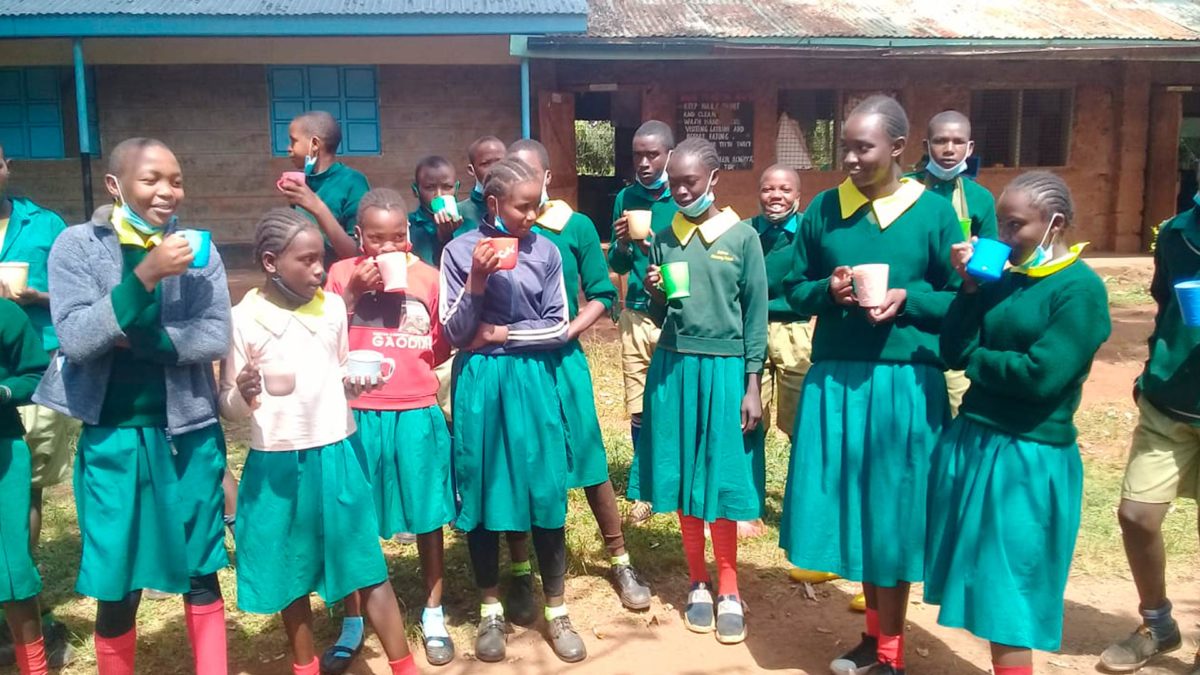
Day of the African Child 2021
2021’s Day of the African Child celebrations on 16th June – while still limited due to local Coronavirus restrictions – were more widespread among our partners in Kenya, Tanzania, Uganda and Zimbabwe than than they were in Covid-hit 2020. In our blog post from last June, we explained the background to the annual event, yet […]
2021’s Day of the African Child celebrations on 16th June – while still limited due to local Coronavirus restrictions – were more widespread among our partners in Kenya, Tanzania, Uganda and Zimbabwe than than they were in Covid-hit 2020.
In our blog post from last June, we explained the background to the annual event, yet with schools fully closed 12 months ago, the focus at the time was on providing community support in the absence of schooling. It’s certainly been a tumultuous year but with more schools now open once again, we were pleased to celebrate this year’s Day of the African Child by exploring the importance of education.
SCHOOL CLOSURES IN AFRICA
Covid-related school closures meant African children missed out on months of education in countries such as Tanzania, and almost a year of schooling in others including Kenya and Zimbabwe. A recent spike in cases in Uganda means schools there have closed once again. On top of the educational cost, our NGO partners have also reported a number of worrying trends:
- A significant increase in malnutrition
- An escalation in teenage pregnancies
- A rise in reported incidences of abuse
- An increased trend of children working
THE IMPORTANCE OF EDUCATION
Pre-Covid, it was estimated 258 million children globally were not in school. Though it’s too early to pinpoint updated numbers to show the exact impact in this area, there can be no doubt this number will now be considerably higher having been exacerbated by school closures during local lockdowns.
Many of these children are in Sub-Saharan Africa with over 1 million school-age children not attending school in Kenya alone. Millions of African children have been affected by the loss of up to a year of their education. African girls disproportionately so.
But is going to school really important? Absolutely.
The completion of primary education and enrolment into secondary school provides numerous long-term benefits that transform a child’s future. Numeracy and literacy are of course crucial, but attending school is about far more than learning to read and write:
- School provides a safe haven for children at risk of abuse or exploitation on the streets.
- School teaches children how to build relationships with adults and peers.
- Schools teach life skills, including personal hygiene and children’s rights.
- School aids the development of capacities such as concentration and memory.
- School encourages creativity through play.
These combine to give a child self-confidence and better opportunities to compete for better-paid jobs in adulthood. These skills empower them to make meaningful decisions for the benefit of their families and direct communities.
THANK YOU
As a proud African charity, we would like to celebrate 2021’s Day of the African Child by giving thanks to our generous supporters – new and old – for your unwavering support and contributions during the past 12 months. More than anything, we wish to thank our wonderful partners: Watoto Kwanza and HAKI in Kenya; Mfuko Wa Watoto in Tanzania; SAFE in Uganda and Mwana Trust in Zimbabwe. Despite the unpredictability of the past 12 months, you have continued to support, encourage and promote the importance of children’s education within your communities. We really couldn’t be prouder.

More in Charities

Building Better Businesses: How Values, Culture and Purpose Shape Positive Impact
Hosted by Better Business Ecosystem lead Grant Hayward, B4 Members gathered to explore what it truly means to run a “better business” — one that creates meaningful impact for employees, customers, communities and the wider world. The discussion examined how organisational values, mission-driven thinking and workplace culture shape the way businesses operate and grow. Please see link at the foot of the article to a report from new B4 Members, Designed by Oxygen, which was referenced by Suzie Mills during the session.

Oxfordshire Adventurers Challenged to Race Across the County for Local Homelessness...
OXFORD, UK – Inspired by the hit BBC TV series Race Across the World, Homeless Oxfordshire is searching for 20 intrepid teams to take part in its brand-new fundraising challenge: Race Across Oxfordshire.

Oxford Wood Recycling join B4
An award-winning social enterprise and charity, Oxford Wood Recycling (OWR) combines environmental responsibility with social impact. Operating across Oxfordshire, OWR provides commercial and domestic wood-waste collections, maximising recycling and reclaiming wood for reuse.
From this author
Responsible Business
Businesses have a responsibility to their communities, to be supportive and at the very least not actively cause harm. Here you will find content relating to businesses being a Force for Good, supporting charities and their local communities.