

Building Better Businesses: How Values, Culture and Purpose Shape Positive Impact
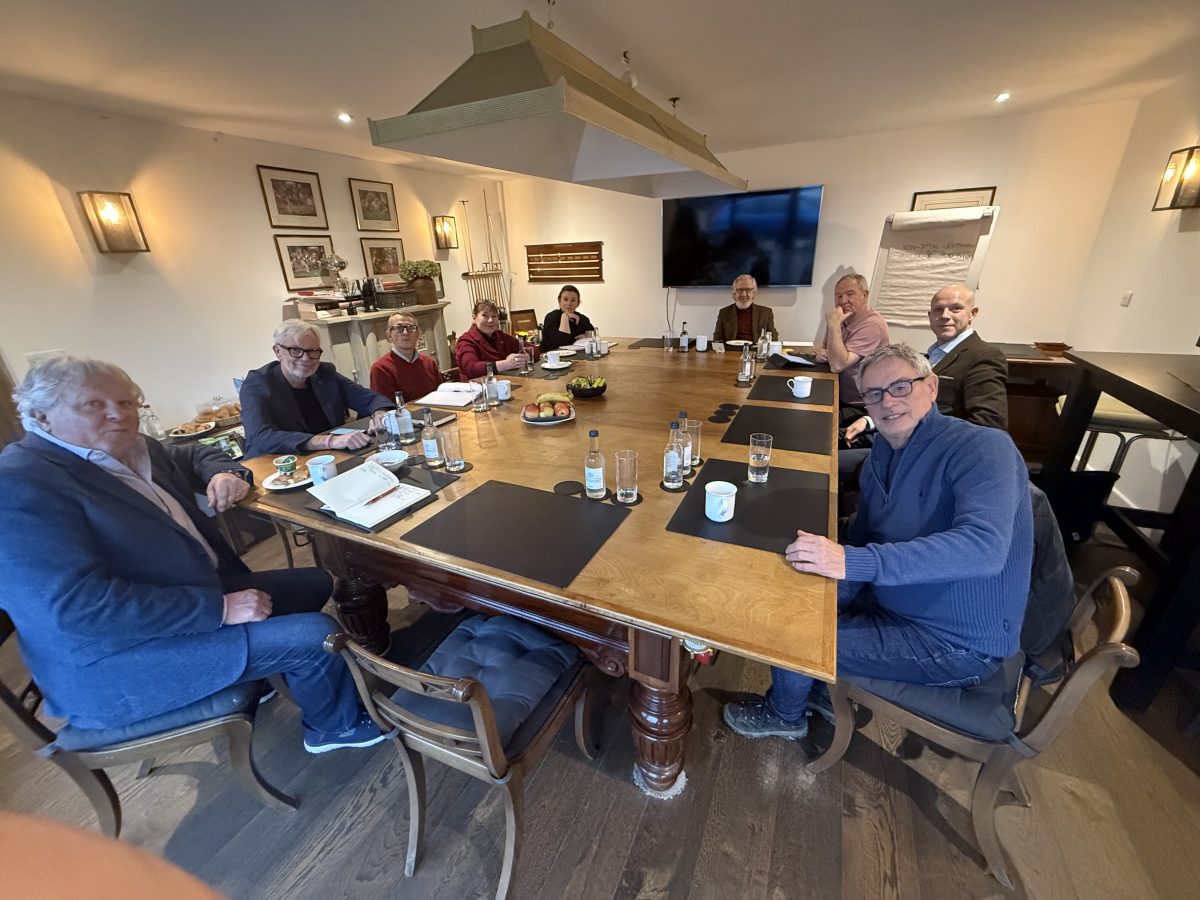
Hosted by Better Business Ecosystem lead Grant Hayward, B4 Members gathered to explore what it truly means to run a “better business” — one that creates meaningful impact for employees, customers, communities and the wider world. The discussion examined how organisational values, mission-driven thinking and workplace culture shape the way businesses operate and grow. Please see link at the foot of the article to a report from new B4 Members, Designed by Oxygen, which was referenced by Suzie Mills during the session.
Members shared experiences of defining values, embedding them into everyday behaviour and aligning them with the value delivered to customers. The conversation also touched on purpose-led growth, supply chain responsibility, the B Corp framework and the environmental impact of digital operations. Together, these themes highlighted the growing expectation that businesses balance commercial success with positive social and environmental contribution.
The Importance of Values in Modern Business
The discussion began with an overview of the elements that contribute to positive business impact, including organisational value propositions, staff engagement, community involvement, environmental considerations, supply chain responsibility and operational practices.
A key theme quickly emerged: the role of organisational values. One member explained they had recently been asked by a potential client what “setting organisational values” actually means. This sparked a broader conversation about how businesses define and implement the principles that guide their behaviour.
Several members agreed that values are most effective when they are co-created rather than imposed from the top. Instead of leadership dictating them, values should emerge from the people within the organisation, reflecting the shared beliefs and behaviours of the team.
Creating Values That Employees Believe In
One member described how their company developed its values by first asking the management team to identify key words representing the organisation’s principles. These were then shared across the entire business, with employees helping to develop statements that captured what those values meant in practice.
This collaborative approach helped build genuine ownership. However, members acknowledged that maintaining relevance can be challenging as organisations grow and teams change.
One member noted that around a quarter of the people involved in their values exercise three years earlier had since left the company. This highlighted the importance of revisiting values periodically so new employees can contribute and feel part of the process.
Linking Values to Customer Value
Another member emphasised that internal values must translate into meaningful value for customers.
Values should actively guide how organisations create value for their clients. A simple principle such as “we deliver on time” can influence behaviour across the entire organisation, shaping decision-making, operational discipline and customer experience.
In this sense, values are not abstract ideas but practical guidelines that determine how employees act and how customers experience the organisation.
How Values Shape Organisational Culture
The discussion naturally moved to the relationship between values and culture.
One member suggested that culture emerges from how leadership pursues the organisation’s stated values. Leadership behaviour, decisions and everyday actions determine whether values remain words on a wall or become embedded in the organisation.
An example illustrated this clearly. In a previous business, a casual suggestion about creating an “ink-free zone” led employees to design and implement a full solution. The initiative eventually became so distinctive that the business became known in the industry as “the ink-free printer”. It demonstrated how empowering teams to act on shared values can drive innovation and pride.
Attracting the Right People
Values also play an important role in attracting employees and clients who share similar principles.
One member described joining an organisation because its values — including commitments such as “we do what we say we will do” and “we are humbly confident” — resonated strongly with them. Clear and authentic values can act as a filter, drawing people who naturally fit the culture.
Leadership and Living the Values
Members also reflected on the role of leadership in ensuring values are genuinely lived.
One example from the charity sector described an organisation that had lost direction during the pandemic but was transformed when a new chief executive re-established a clear sense of purpose and values. The discussion highlighted that values are only effective when leaders consistently demonstrate them.
Purpose, Impact and Social Enterprise
The conversation also explored purpose in the charity and social enterprise sector. One member suggested that ideally charities should aim to solve the problems they address so effectively that their own existence is no longer required.
This prompted reflection on the difference between organisations focused on sustaining themselves and those genuinely committed to solving societal challenges. Examples were shared of initiatives prioritising grassroots impact rather than maintaining large organisational overheads.
Frameworks and Social Value
Members also discussed frameworks such as B Corp, which provide structured approaches to embedding purpose and values within organisations. Suzie Mills from Designed by Oxygen described how her team used the B Corp framework to co-create values and build policies supporting positive impact.
The growing importance of social value in procurement was also highlighted. Public sector contracts increasingly require organisations to demonstrate wider societal benefits, encouraging businesses to consider the broader impact of their operations and supply chains.
Rethinking Growth
Another theme was the need to reconsider traditional definitions of growth. One member argued that businesses often pursue growth through increased turnover or headcount without considering other forms of progress such as learning, relevance or societal impact.
Redefining growth in these broader terms could help organisations become more resilient and meaningful contributors to society.
Sustainability and the Digital Footprint
The environmental impact of digital activity was another important topic. Suzie Mills highlighted that many organisations are unaware of their digital carbon footprint. Research suggests that global digital emissions now exceed those of the aviation industry.
This presents opportunities for improvement through measures such as optimising images, reducing unnecessary data use and designing more efficient digital platforms.
Conclusion
The conversation reinforced that building a better business goes far beyond writing a mission statement or displaying values on a wall. It requires ongoing leadership, engagement and commitment across the organisation.
Values must be co-created, consistently lived and closely connected to the value delivered to customers and communities. As expectations around purpose, sustainability and social responsibility continue to grow, organisations that embed these principles authentically are likely to be better positioned for long-term success.
See report from Designed by Oxygen
Warning: Undefined array key "author_person" in /home/b4business/public_html/wp-content/themes/b4-2020/functions.php on line 121
Warning: Trying to access array offset on value of type null in /home/b4business/public_html/wp-content/themes/b4-2020/functions.php on line 121

More in Business as a Force for Good

Join us to help disadvantaged people in Oxfordshire this winter
Oxfordshire Community Foundation (OCF) have launched an appeal to raise £60,000 towards its Living Essentials Fund. The Living Essentials Fund will help the most disadvantaged people in our county who are struggling to afford the basics – housing, food and warmth. Grants will be made to grassroots charitable organisations across Oxfordshire working to support them […]
B4 Member of the Month – Phil Lawrie, Silverstone Museum
Last month we launched a new Member of the Month Award where a Member is recognised for epitomising the true spirit of B4. Helen Fallon was a very deserving winner of a lovely bottle of Hundred Hills bubbly for being an all-round key part of the B4 community.
B4 BETTER BUSINESS ECOSYSTEM: Target’s ‘Pillars of Purpose’
Sam Kandiyali of Target PR shares Target’s Pillars of Purpose – a conceptual model that explores the relationship between PR and purpose (why an organisation exists).
From this author
B4 People Ecosystem: Wellness, Engagement & Performance
This People Ecosystem session, led by Andy Caldicott of Arvra Wellness, explored the increasingly critical role of employee wellbeing as a driver of organisational performance.

Glorious – Peter Quilter
This is a play about the true story of Florence Foster Jenkins, a 1940’s American socialite, often referred to as “the World’s worst singer”!
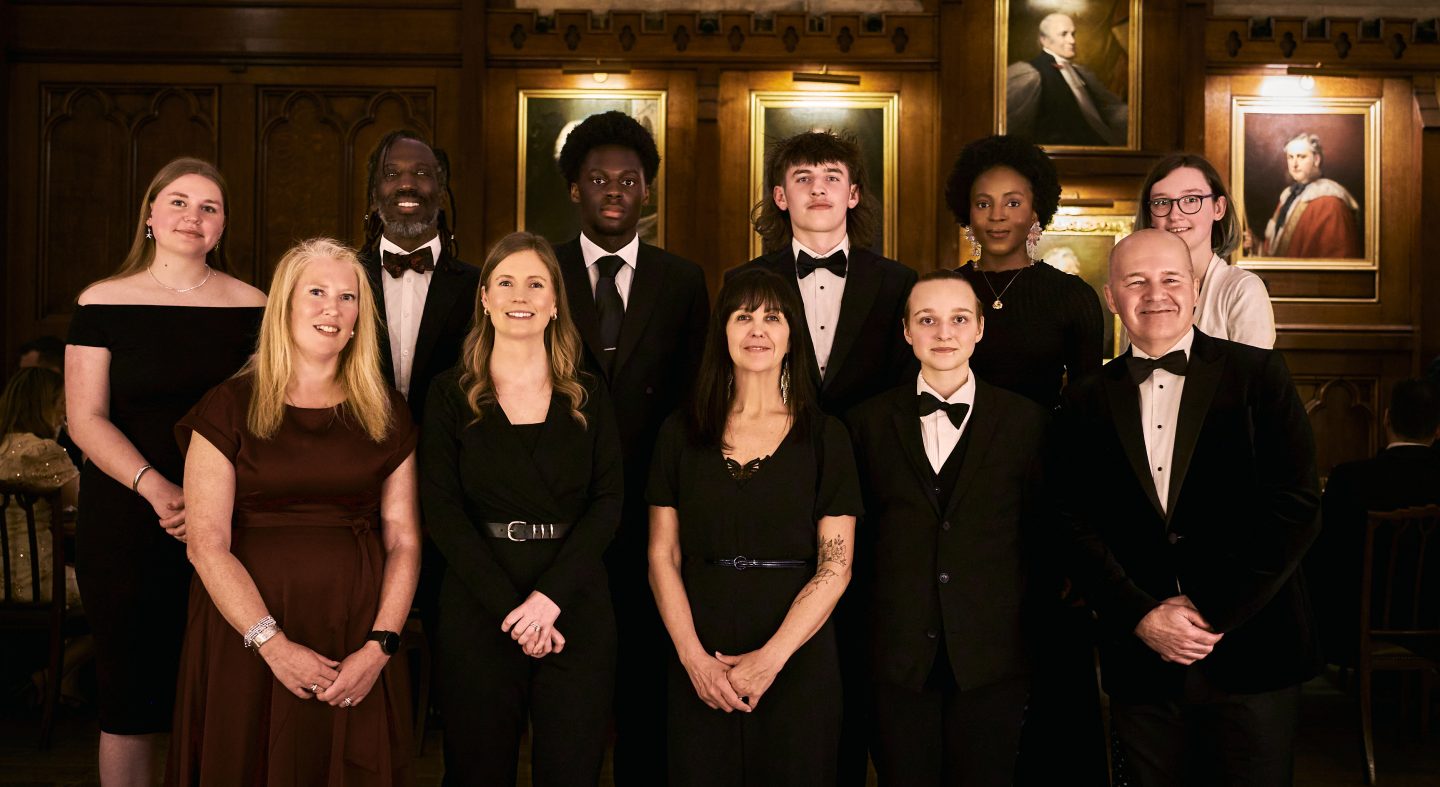
OBS2026 Gold Sponsors’ Dinner Brings Oxfordshire’s Business Community Together at Keble...
Oxfordshire’s business community gathered in the Great Hall at Keble College for the OBS2026 Gold Sponsors’ Dinner — an evening that set the tone for this year’s Oxfordshire Business Summit (OBS2026) at Blenheim Palace this May.